
How to Choose the Right Size Pole Building for Your Needs
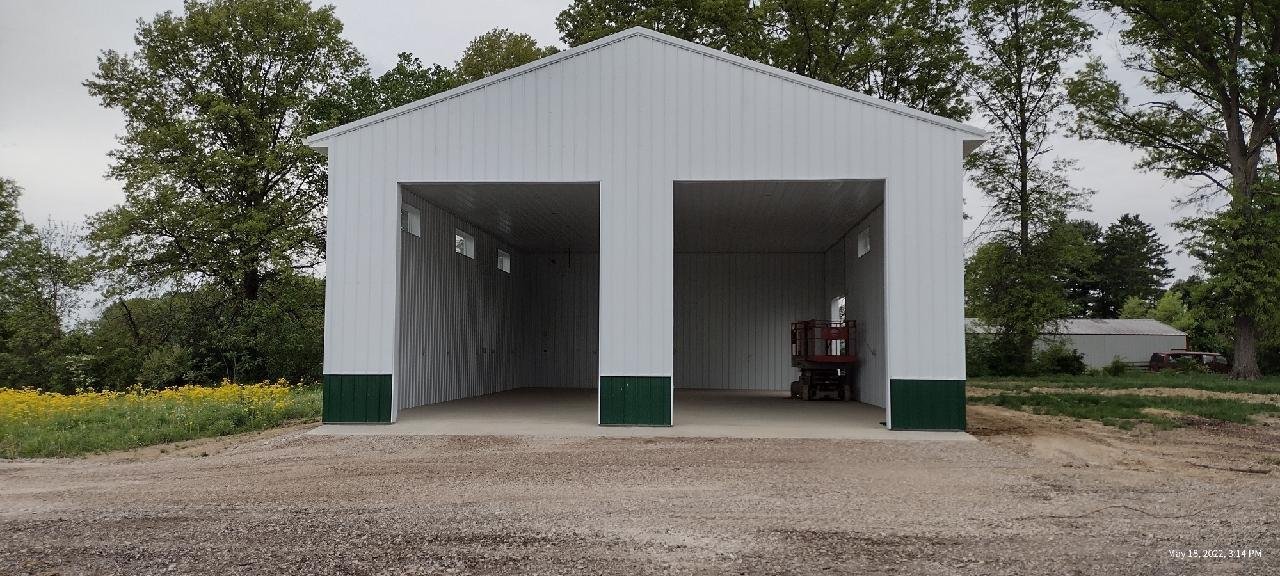
One of the most common questions we hear from customers is: "How big should my pole building be?" It sounds simple, but the answer depends on more factors than most people expect. Choose too small, and you'll outgrow the space within a few years. Choose too large, and you may spend more than necessary upfront.
At Kirkham Building System, Inc., we've helped hundreds of property owners find the right fit — and we've learned that a little planning goes a long way. Here's a practical guide to help you think through the right size for your pole building project.
Step 1: Start With Your Primary Purpose
Before you think about square footage, get clear on what the building is actually for. The intended use will drive nearly every sizing decision that follows.
Common pole building uses include:
Agricultural storage — hay, grain, seed, feed, and supplies
Equipment storage — tractors, combines, ATVs, implements, and attachments
Livestock shelter — horses, cattle, goats, and other animals
Vehicle garage — cars, trucks, RVs, and boats
Workshop or hobby space — woodworking, welding, auto restoration
Commercial use — small business operations, retail, or light manufacturing
Each of these has a very different set of sizing requirements. A building that's perfect for storing two tractors will likely fall short if you also need a workspace and a parts room. Write down your primary purpose first — then think about everything else you want the space to handle.
Step 2: Make a List of Everything You Need to Fit Inside
This is the step most people skip, and it's the one that leads to regret. Before you settle on dimensions, take an inventory of everything that needs to go in the building — now and in the near future.
Ask yourself:
What equipment or vehicles will be stored? What are their dimensions?
Do I need room to walk around, open doors, or work alongside equipment?
Will I need a workspace, office, or restroom area inside?
Am I storing materials that need to be organized on shelves or racks?
Do I need a loft or mezzanine for additional storage?
Will multiple pieces of equipment need to be moved in and out independently?
Write it all down and get specific. That old grain truck you park every fall? Look up its length and height. The combine with the header attached? Measure it. These details matter when you're deciding between a 40-foot and a 50-foot wide building.
Step 3: Think in Three Dimensions — Width, Length, and Height
Pole buildings are incredibly flexible, but it helps to understand how each dimension affects your use of the space.
Width
Width is often the most critical dimension. Wider buildings give you more usable floor space without interior columns breaking up the layout. Common widths range from 30 feet to 80 feet or more. Consider how many "lanes" of equipment or workspace you need side by side.
Length
Length is usually easier to adjust. Need more room in the future? In many cases, a well-planned pole building can be extended lengthwise. That said, building for your anticipated needs now — rather than the minimum — is almost always more cost-effective than adding on later.
Height (Eave Height)
Don't underestimate the importance of wall height. If you're storing tall equipment, large vehicles, or planning overhead storage, a few extra feet of eave height can make a dramatic difference. Most standard pole buildings range from 10 to 16 feet at the eave. Equipment like combines, grain carts, and large RVs may require 14 to 16 feet — or more.
Tip: Always measure your tallest piece of equipment and add at least 2 feet of clearance. You'll be glad you did when you're pulling in with a full grain cart in the dark.
Step 4: Don't Forget the Doors
Your building is only as functional as its entry points. Door size and placement should be planned alongside overall building dimensions — not as an afterthought.
Consider:
Sliding doors vs. overhead doors — both have their advantages depending on your use
Clearance height — your door opening must accommodate your tallest vehicle or equipment
Number of entries — multiple doors can improve workflow and ventilation
Drive-through options — for large operations, a door on both ends allows equipment to pass straight through
Many customers discover they need a wider or taller door than they initially assumed once they start measuring their actual equipment.
Step 5: Plan for Growth
Here's a rule of thumb we share with nearly every customer: build bigger than you think you need today.
It sounds counterintuitive, but pole buildings are one of the most cost-effective structures you can add to a property. The difference in price between a 40x60 and a 50x60 building is often far less than you'd expect — and that extra 600 square feet could be worth its weight in gold five years from now.
Think about:
Will your operation grow? Will you add equipment or livestock?
Will your family's needs change? More vehicles, a new hobby, a home-based business?
Could the building serve a secondary purpose down the road?
A little extra square footage now can save you the cost of a whole second building later.
Common Pole Building Sizes and Their Uses
To give you a starting point, here are some popular building sizes and what they're typically used for:
Size Common Uses
30x40 2–3 car garage, small workshop, hobby space
30x60 3–4 car garage, small equipment storage, horse barn (2–4 stalls)
40x60 Large garage, medium workshop, farm equipment storage
40x80 Multi-vehicle storage, small commercial shop, hay and equipment
50x100 Large agricultural facility, commercial use, multi-purpose farm building
60x120+ Full-scale commercial or agricultural operations
These are general guidelines — your specific needs may call for something entirely different. That's why a conversation with an experienced pole building specialist is always the best starting point.
Step 6: Talk to a Professional Before You Finalize
Even with all the right measurements and a clear vision, there are factors you may not think of on your own — local wind and snow load requirements, building code setbacks, optimal door placement for your lot layout, insulation needs, and more.
At Kirkham Building System, Inc., we offer free consultations to help you think through every dimension of your project. We ask the right questions, help you visualize the space, and make sure the building we design for you is one you'll be happy with for years to come.
Ready to Find Your Perfect Fit?
Choosing the right size pole building doesn't have to be overwhelming. With the right planning process — and the right partner — it's one of the most exciting decisions you'll make for your property.
Contact Kirkham Building System, Inc. today to schedule your free consultation. We'll help you size it right, design it well, and build it to last.
Kirkham Building System, Inc. — Pole Building Specialists. Built Right. Built to Last.